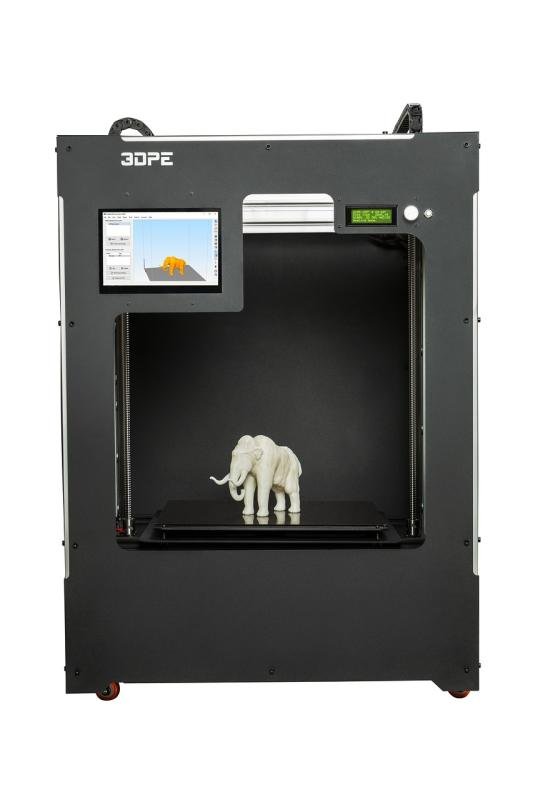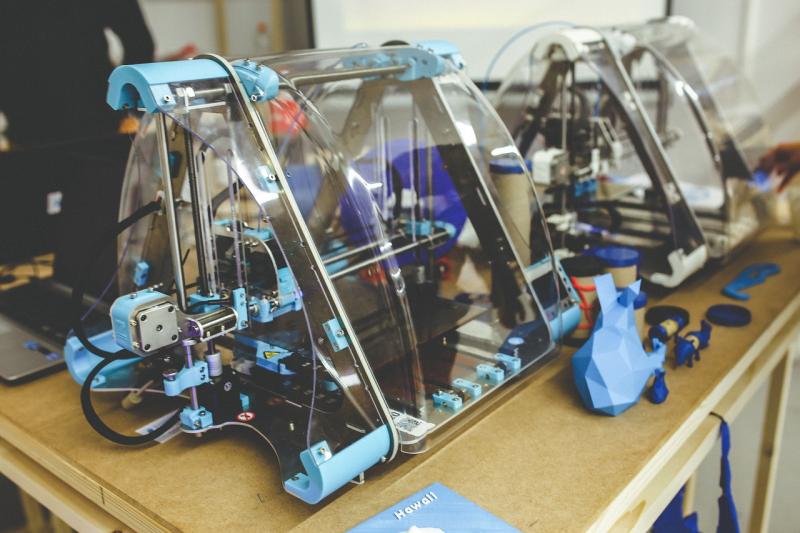
Jumping into 3D printing can feel overwhelming, but it’s easier than you might think! The first step is choosing the right printer. Look for a model that suits your needs and budget. Popular options for beginners include the Creality Ender 3 and the Anycubic Mega Pro. They’re user-friendly and won’t break the bank.
Next, you'll need some filament. This is the material your printer uses to create objects. PLA filament is a great choice for starters because it’s easy to work with and comes in a bunch of fun colors. Make sure your printer supports the filament you choose, as some models work better with specific types.
Once you've got your printer and filament ready, it's time to dive into design! You can either create your own models using software like Tinkercad or download free designs from sites like Thingiverse. Don’t worry if it sounds tricky at first! There are plenty of tutorials online to help you learn the ropes.
Get your first print started by slicing the model with slicing software, which converts 3D models into instructions your printer can understand. Set things up, hit print, and wait for the magic to happen! The first few prints might have hiccups, but that's all part of learning. Embrace the process, and you'll be printing like a pro in no time!
Choosing the Right Printer for You
Picking the right 3D printer can feel like a daunting task, especially for beginners. With so many options out there, it’s important to keep a few key factors in mind. First, think about what you want to print. Are you looking to create toys, tools, or artistic pieces? Knowing your end goal will help narrow down your choices.
Next, consider the printer type. For beginners, FDM (Fused Deposition Modeling) printers are usually a safe bet. They’re user-friendly, affordable, and you can find a ton of online resources to help you set things up. If you’re feeling adventurous, you might explore resin printers, which offer great detail, but they can be a bit messier and require more upkeep.
Don’t forget about the build volume. This is how big of an item you can create in one go. If you plan to make larger projects, look for a printer with a spacious build area. On the flip side, if you’re only planning to print small objects, a compact model will work just fine.
Lastly, check out the community support for the printer you’re considering. A strong user community means you can find loads of tips, tricks, and troubleshooting help. It’s nice to know you’re not alone when you're figuring things out!
Essential Tools for 3D Printing Success
Getting started with 3D printing is exciting, but having the right tools can make your journey so much smoother. Here are some essentials that every beginner should keep in their toolkit.
1. 3D Printer: This is the heart of your setup! Depending on your needs, you might want a filament printer like the popular Creality Ender 3 for beginners or a resin printer like the Anycubic Photon for detailed models. Make sure to choose one that suits your projects.
2. Slicing Software: This software translates 3D models into instructions your printer understands. Options like Cura and PrusaSlicer are user-friendly and full of features. Don’t skip this step, as good slicing ensures your prints come out smooth and accurate.
3. Filaments or Resins: Stock up on filament (like PLA or ABS) or resin (for resin printers) that works with your chosen machine. PLA is great for beginners since it’s easy to print with and comes in tons of colors. Experiment as you go to find what you like best.
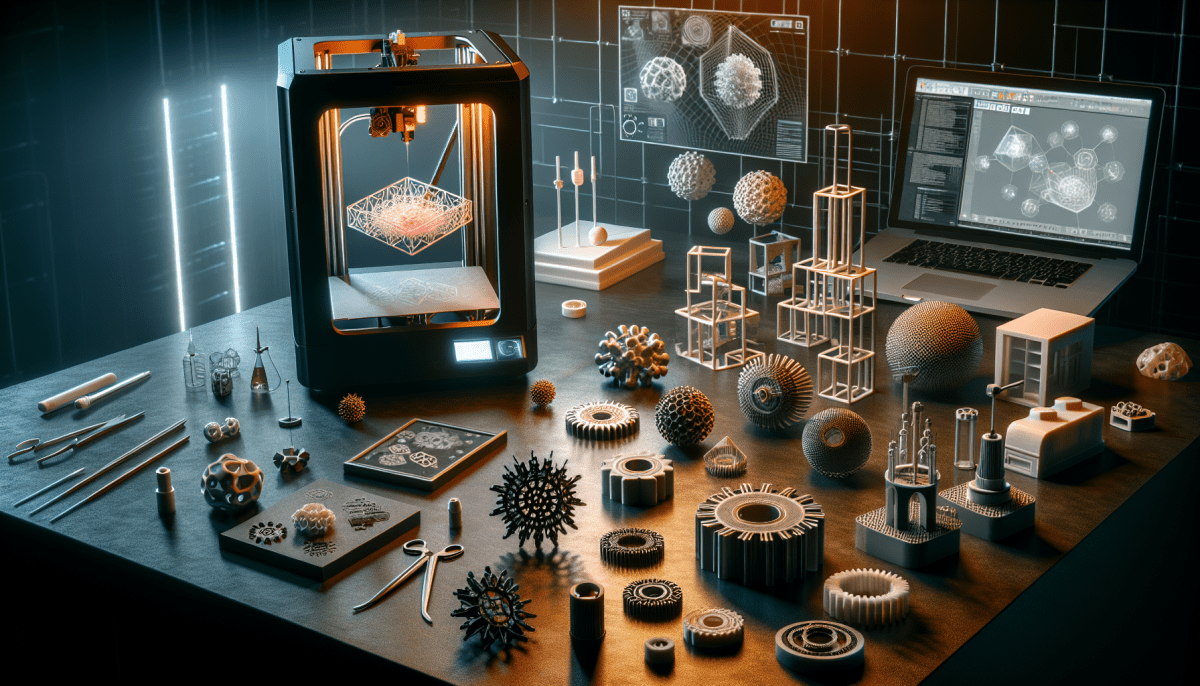
4. Basic Tools: Keep a toolkit handy! A spatula can help you remove prints from the bed, while a pair of tweezers and a set of pliers can assist with those tiny details. Some people swear by a heat gun for smoothing prints and removing imperfections.
With these tools in your arsenal, you'll be ready to dive into the world of 3D printing. Enjoy the process and get creative!
Troubleshooting Common 3D Printing Issues
Getting started with 3D printing can be thrilling, but sometimes things don’t go as planned. No worries! Let’s tackle a few common hiccups so you can get back to printing awesome projects.
1. Warping: This happens when the edges of your print start to lift. It’s usually because the print bed isn’t heated enough, or the material cools too quickly. Try increasing the bed temperature, or use materials like ABS or PETG, which have better adhesion. A nice, level bed also helps keep everything in place!
2. Stringing: If you notice thin strands of plastic connecting different parts of your print, you’ve got stringing. This usually occurs when the nozzle drips during travel moves. To fix this, you can adjust the retraction settings in your printer or tweak the temperature settings. Going a bit lower on temperature can also help!
3. Under-extrusion: If your prints look thin or have gaps, you might not be getting enough filament coming through. Check your nozzle for clogs, look at your filament to see if it’s tangled, and make sure your printer’s settings match the filament diameter. Sometimes, just cleaning out the nozzle can make a world of difference.
These tips should help you get through some of the most common issues. Keep experimenting, and don't hesitate to reach out if you’re stuck. Happy printing!