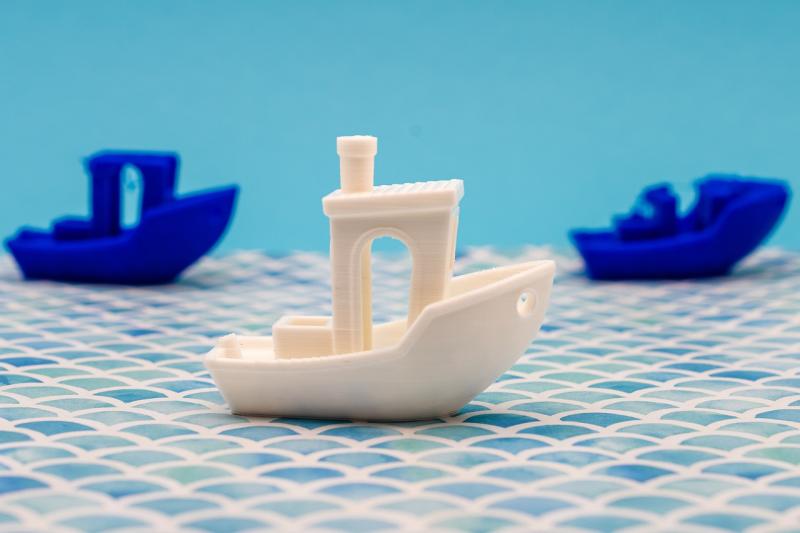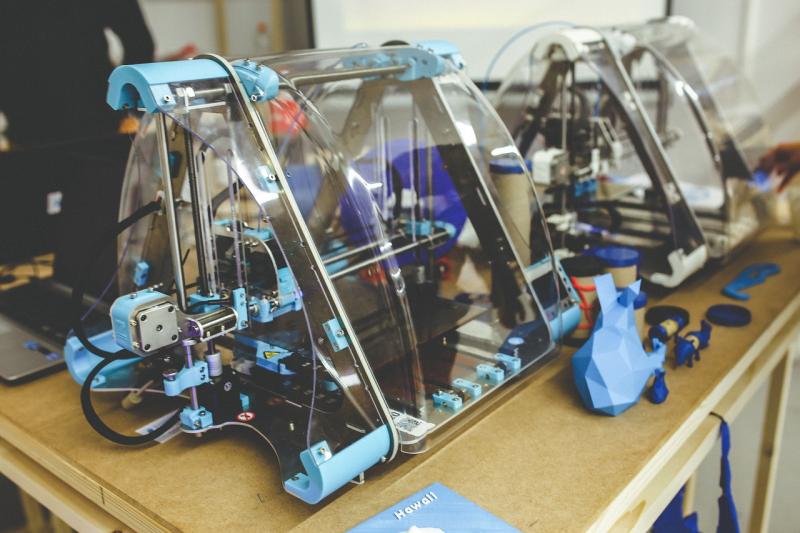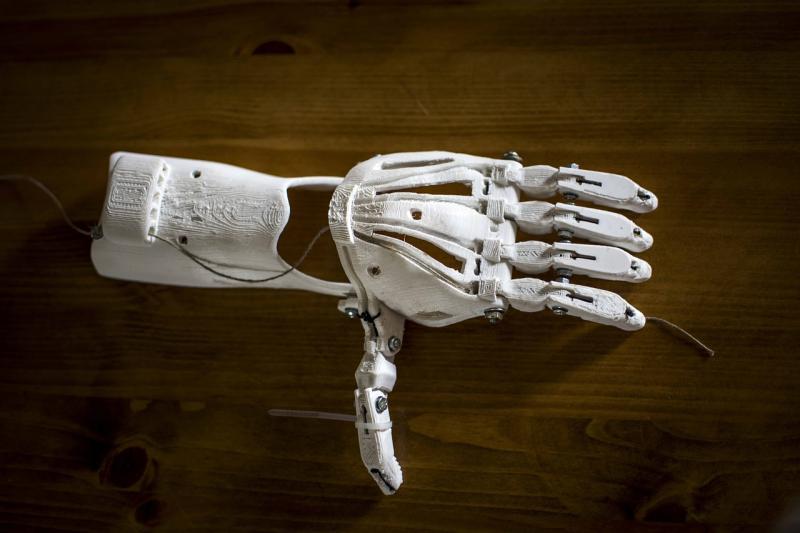
Getting into 3D printing isn't as tough as it seems. Jumping in is exciting! All you need is a basic understanding and the right tools. So, let’s break it down.
First, pick the right printer for your needs. If you're just starting, look for something user-friendly and affordable. Popular choices like the Creality Ender 3 or Anycubic i3 Mega are great options. They’re reliable, and you won’t need an engineering degree to set them up. Plus, they have tons of online support and communities to help you out.
Next on your list is the type of filament you’ll use. PLA is perfect for beginners because it’s easy to handle and doesn’t require a heated bed. When you’re feeling adventurous, try ABS or PETG for stronger prints. Just remember, each filament has its quirks, like different temperatures and printing speeds.
Then, find some cool designs to print! Websites like Thingiverse are goldmines for free models. You can start with small items like phone holders or toys, which are great for practicing your skills. As you get comfortable, you can tackle more complex designs that might even turn into products for your small business.
Finally, play around with settings on your printer software. Experiment! Tweak speeds and temperatures to see how it affects your prints. Each change can lead to something unique and awesome. 3D printing is all about creativity, so don’t be shy to dive in and start making!
Finding the Right 3D Printer
Next, consider the size of your projects. If you plan to create larger items, check out printers with a bigger build volume. For smaller, detailed prints, a compact model might do the trick. Don't forget about the materials, too! Some printers handle just plastic, while others can print with resin, metal, or even ceramics. Decide what materials you'll need and look for a printer that works best with them.
Budget plays a big role in your decision. You can find decent entry-level printers at a reasonable price, but if you want better quality and features, be prepared to spend a bit more. Many mid-range printers offer a great balance of price and performance, making them perfect for small business owners just starting. Check for additional costs, like maintenance and supplies, so you have a clear picture of your total investment.
Finally, don’t underestimate the importance of user support and community. A printer with good customer service and an active online community can make your experience much smoother. You’ll find tips, troubleshooting help, and even inspiration from other users, which can be invaluable as you kick off your new venture!
Creative Ideas for Your Business
Thinking about how to use a 3D printer for your business? You’ve got tons of creative options! First up, custom merchandise is a fantastic choice. Imagine designing unique keychains, phone cases, or even custom toys that fit your brand. People love personalized products, and a 3D printer makes it easy to bring your ideas to life.
Next, consider prototyping. If you’re launching a new product, having a prototype can make a huge difference. You can create functional models that really showcase what you’re aiming for. This helps in getting feedback early on and can even save you money in the long run by catching design issues before you go into full production.
If you’re into education or training, think about 3D printing educational tools or interactive models. This can range from anatomy models for medical training to architectural models for schools. It’s a great way to make learning fun and engaging, plus it sets you apart as a business that invests in creative teaching methods.
Last but not least, look at offering repair parts or replacements for products. Got a knack for creating items that people frequently need to replace? You can step in and provide those hard-to-find pieces. Whether it’s accessories for gaming systems or parts for household appliances, being able to deliver quick solutions gives you a solid edge in the market.
Tips for Successful Printing
Getting started with 3D printing for your small business can feel overwhelming, but it doesn’t have to be. Here are some helpful tips to make your printing experience smoother and more successful.
First off, always choose the right material for your project. Different 3D printers work with various filaments like PLA, ABS, or PETG. If you're creating prototypes or end-use products, think about the strength, flexibility, and finish you want. Don’t hesitate to experiment with a few types to see what works best for your designs.
Next, make sure your printer is set up correctly. Leveling the print bed and calibrating the nozzle height can save a lot of headaches later on. A well-calibrated printer lays down the first layer with precision, and that’s key to a successful print. Spend a little extra time on setup; it pays off big time.
It’s also a good idea to keep your printer clean and well-maintained. Dust and debris can mess with the print quality. Regularly check the nozzle for clogs and clean the print bed. A little maintenance goes a long way in keeping your printer in top shape.
Finally, don’t forget about your design files. Use software that lets you easily modify and optimize your models for 3D printing. The less complicated the design, the better the outcome. Plus, enjoy the process! 3D printing can be a lot of fun, and every successful print is a win for your business.